

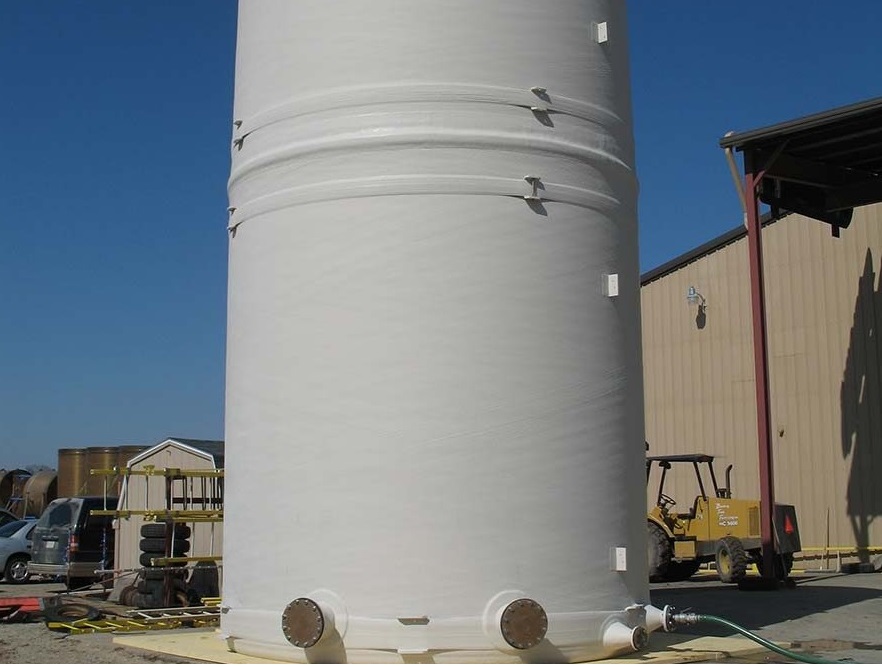
Fiberglass vs. Polyethylene Tanks for Chemical Storage
For small and midsize chemical storage, fiberglass and polyethylene tanks compete. In most cases, buyers choose based on purchase price. However, over an extended service life, four other factors matter...
Read MoreWhy Corrosion Barrier Design Extends Chemical Tank Service Life
Chemical storage tanks must withstand the products they hold, and the part of the tank that carries most of that load is the corrosion barrier. In FRP chemical storage tanks,...
Read More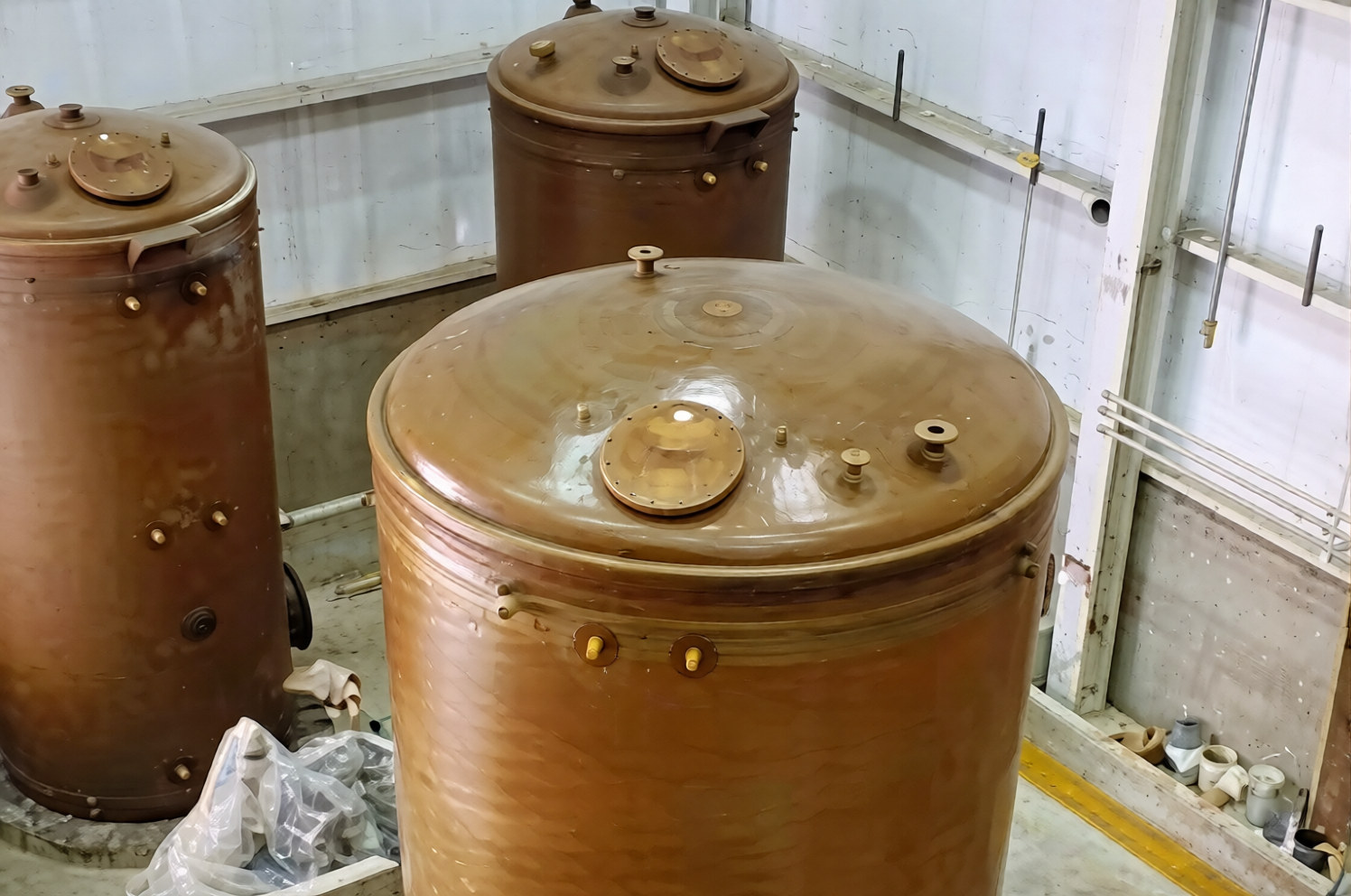
Filament Wound Tanks vs Contact Molded Tanks for Chemical Storage
FRP tank construction relies on two proven methods, and the difference matters when you specify a tank for corrosive storage. Filament winding and contact molding build the fibreglass wall in...
Read More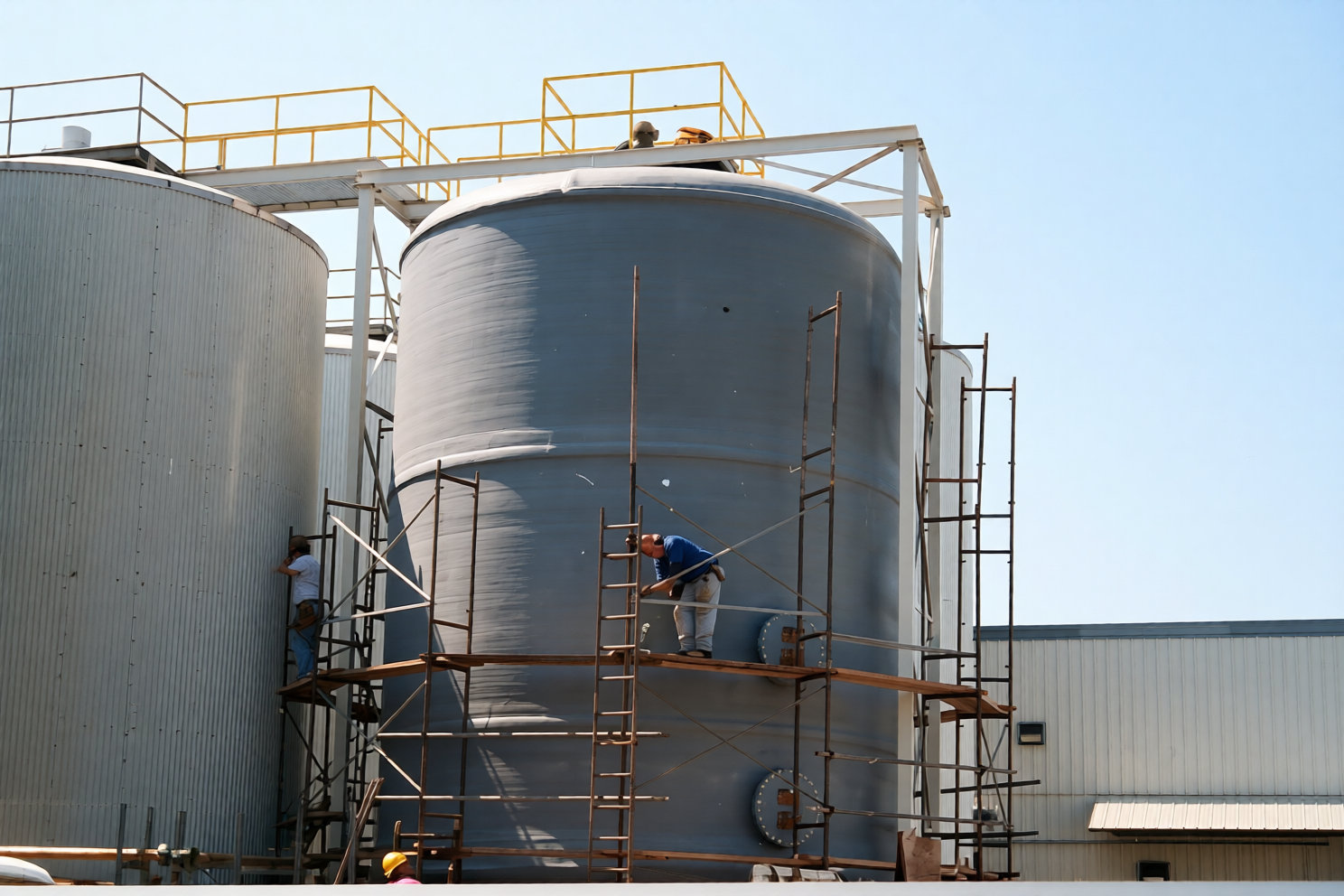
7 Tank Accessories That Improve Safety on Chemical Storage Installations
A chemical storage tank is only as safe as the accessories fitted to it. The vessel holds the chemical, but the covers, manways, fittings, and access gear decide how safely...
Read More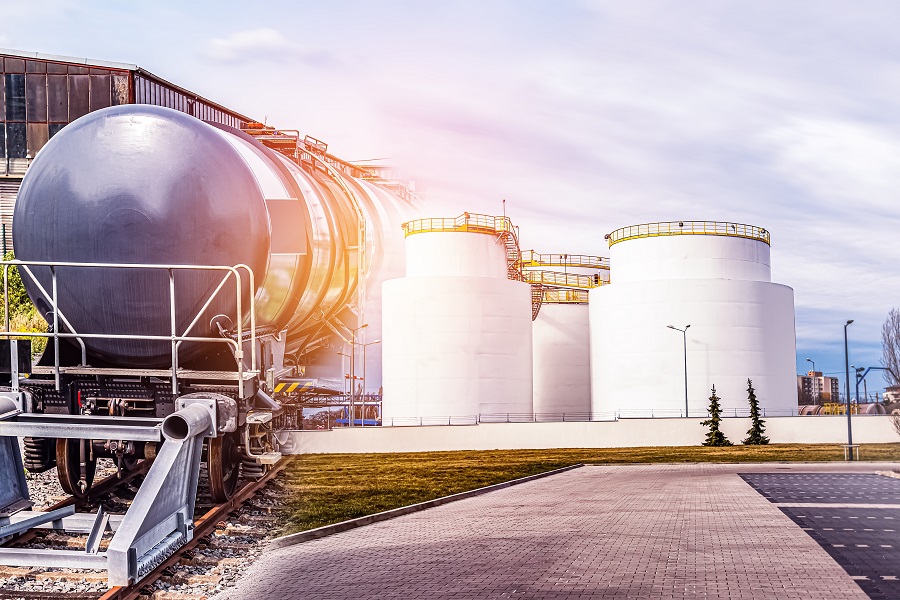
How Tank Shapes Impact Flow and Process Efficiency
Industrial storage performance depends heavily on geometry. The selection of tank shapes directly affects how materials move, settle, discharge, and interact within a processing environment. Factors such as residue buildup,...
Read More
How Fiberglass Storage Tanks Compare to Steel for Industrial Liquids
Industrial storage tanks for aggressive or cleanliness-sensitive liquids force an early material decision: Option A, fiberglass storage tanks, or Option B, steel tanks. Option A uses fiberglass-reinforced plastic construction to...
Read More
How to Evaluate a Dual-Laminate Tank for Safe Hydrofluoric Acid Containment
Selecting a hydrofluoric acid storage tank requires significantly more engineering scrutiny than standard chemical storage applications. Hydrofluoric acid presents severe corrosion risks, permeation concerns, and structural loading challenges that can...
Read MoreWhy Manufacturers Rely on Double-Wall Fiberglass Storage Tanks for Regulatory Compliance
Regulatory frameworks governing hazardous chemical containment have grown materially more stringent, and facilities that rely on single-wall storage vessels carry measurable compliance exposure. Double-wall fiberglass tanks address this directly by...
Read More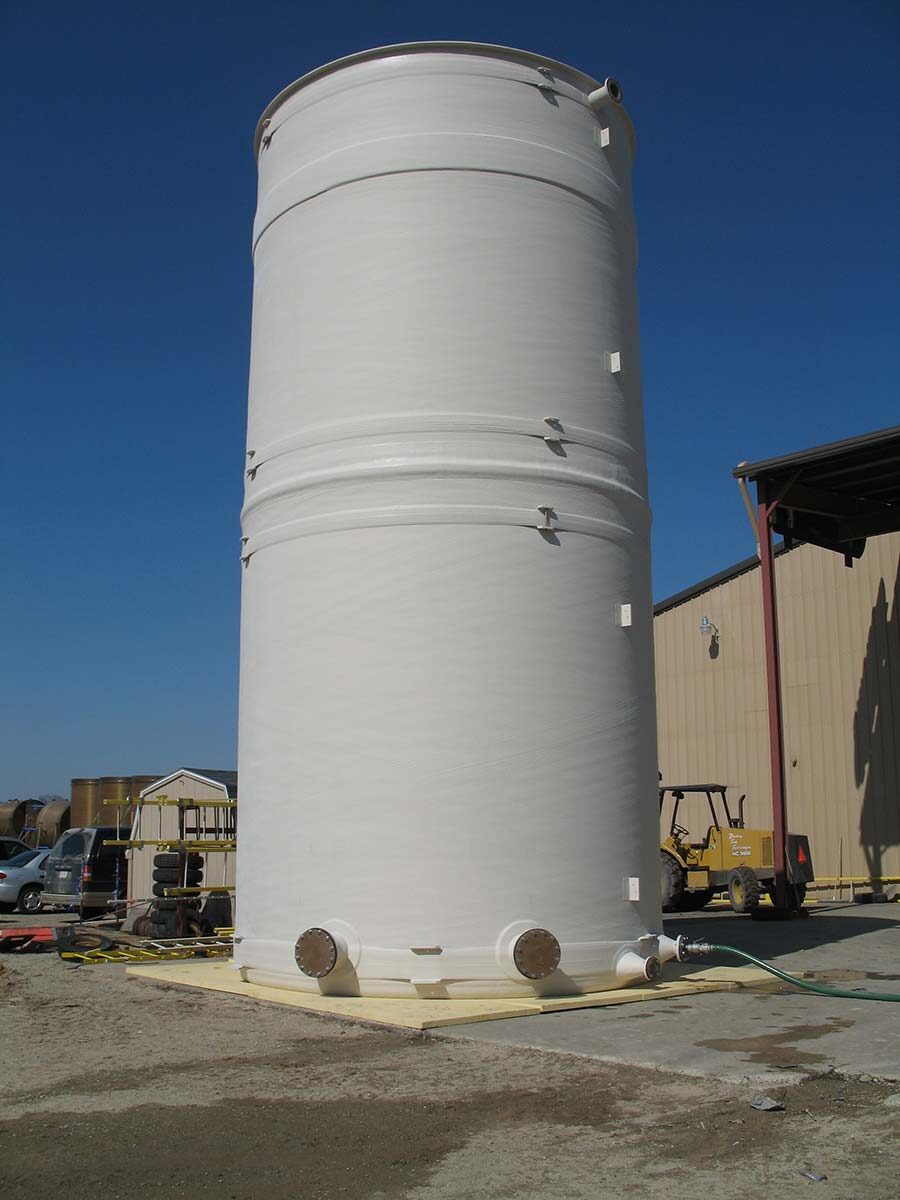
What 6 Features to Look for in Companies Offering Fiberglass Double-Wall Tanks
Selecting among the top companies offering fiberglass double-wall tanks requires more than comparing vessel size or quoted cost. Double-wall fiberglass tanks must be evaluated for containment integrity, resin compatibility, interstitial...
Read MoreHow Fiberglass Tanks Compare to Lined Steel for Hydrochloric Acid Storage
Selecting the right hydrochloric acid storage tank affects chemical containment, inspection planning, maintenance frequency, and facility continuity. Hydrochloric acid is highly corrosive, so tank material must be evaluated for chemical...
Read More